
- Empty cart.
- Continue Shopping

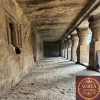

Mahakali Caves Walk
Mahakali Caves Walk
MumbaiMin 1 peopleValid 90 daysBook 3 days ahead
₹1000 per person
Minimum 1 people
Instant DeliveryE-voucher to inbox
90-Day ValidityRedeem anytime
100% RefundIf voucher doesn't work
A guided heritage walk through the ancient Mahakali (Kondivita) Caves exploring early Buddhist rock-cut architecture, trade routes, and Mumbai’s ancient landscape.

The Aurea App
Buy it in the app instead
Same experiences, plus your vouchers, QR codes and bookings in one place.

Samsona Getaways terms & conditions
Terms & Conditions:
• Be mindful around heritage sites
• Be careful while crossing roads
• Do not litter
• Carry caps and sunglasses
• Washroom facilities are available at restaurants and near station area
Guaranteed Safe Checkout

Free Delivery
Flexible Use
100% Digital
Full Refund
Instant Delivery
30-Day Support
Mahakali Caves Walk – Discover Mumbai’s Buddhist Heritage
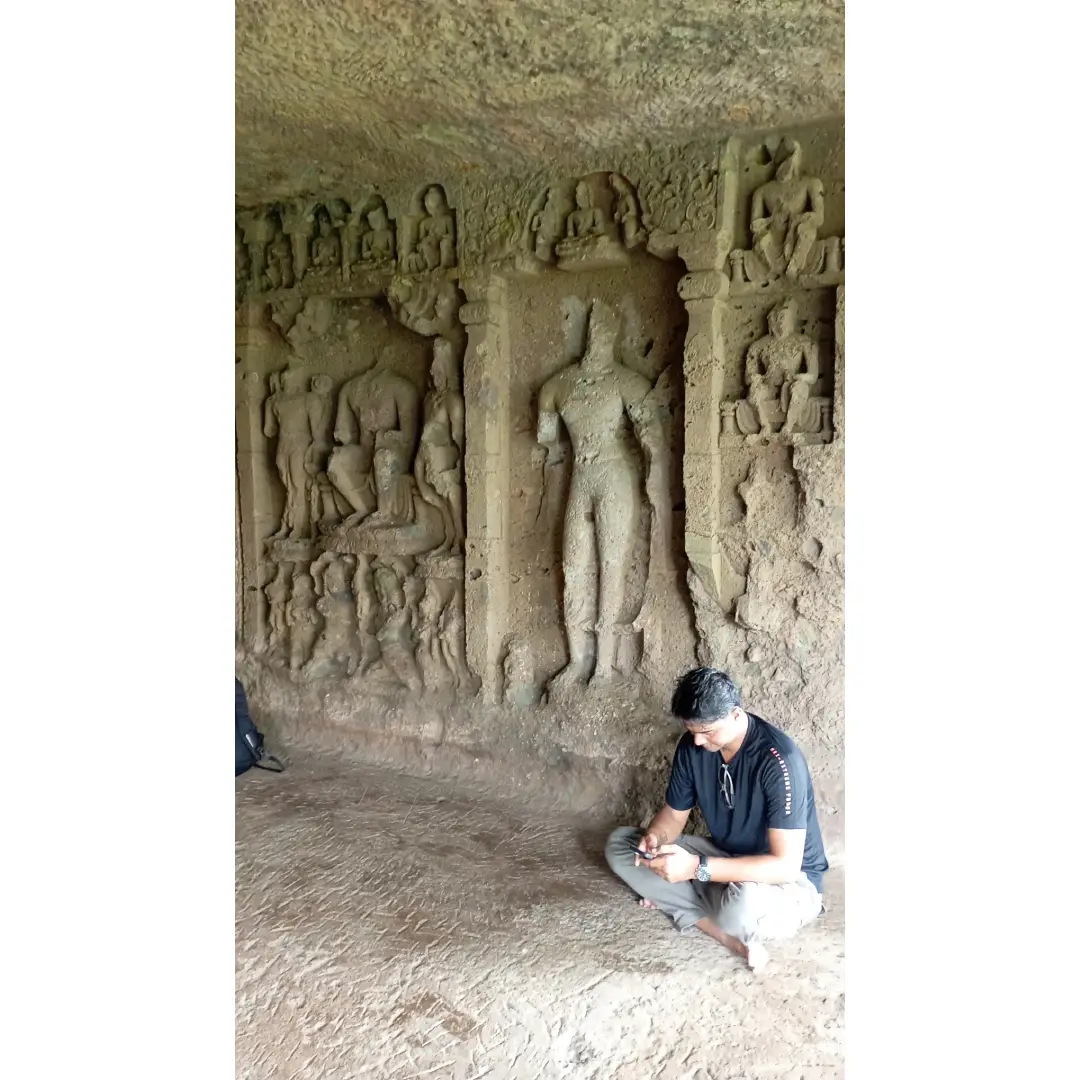
Explore the Mahakali Caves (Kondivita Caves) in Andheri East through a guided heritage walk that uncovers the architectural, cultural, and historical significance of this ancient Buddhist site. Hidden within Mumbai’s modern urban landscape, these caves offer a fascinating glimpse into the city’s past nearly two thousand years ago.
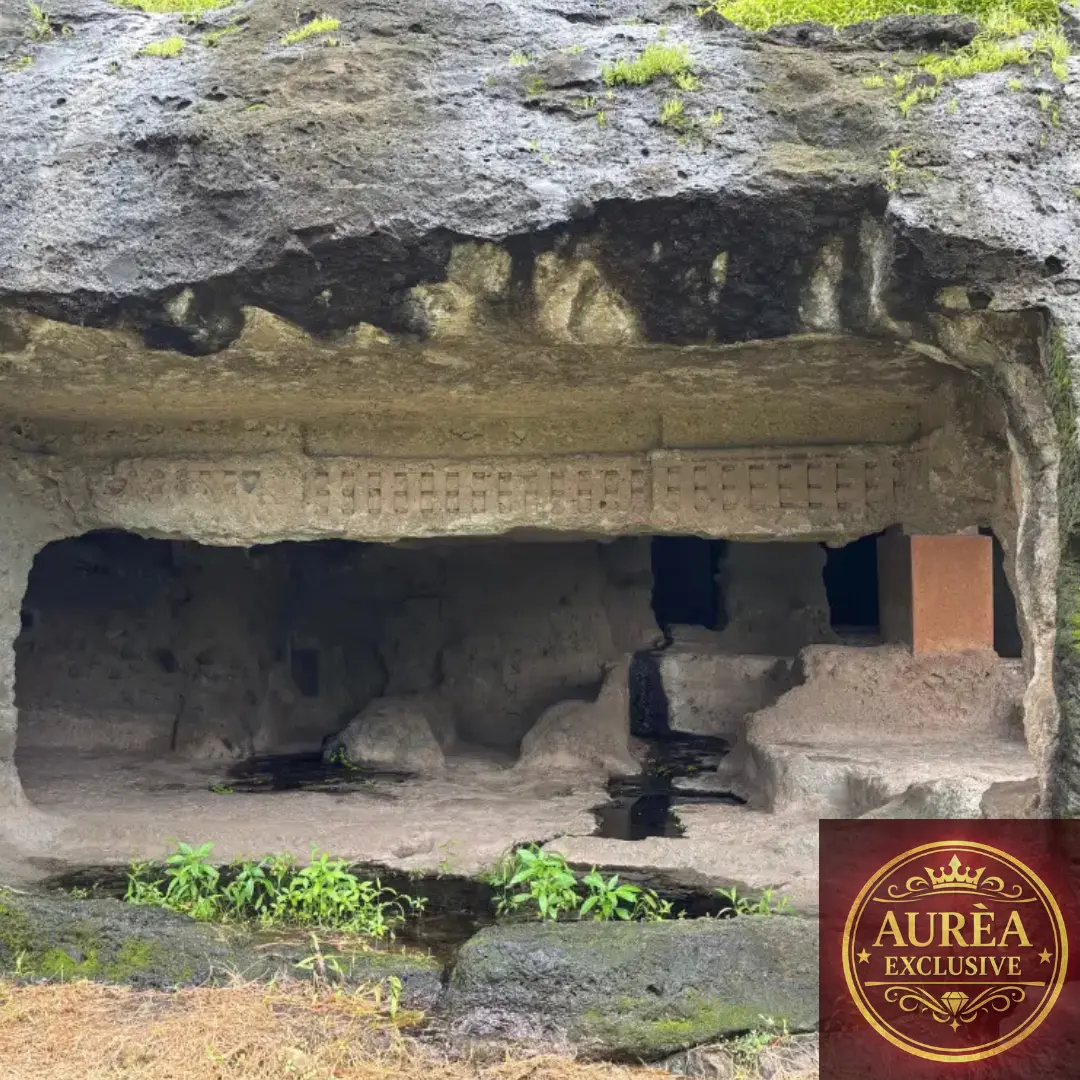
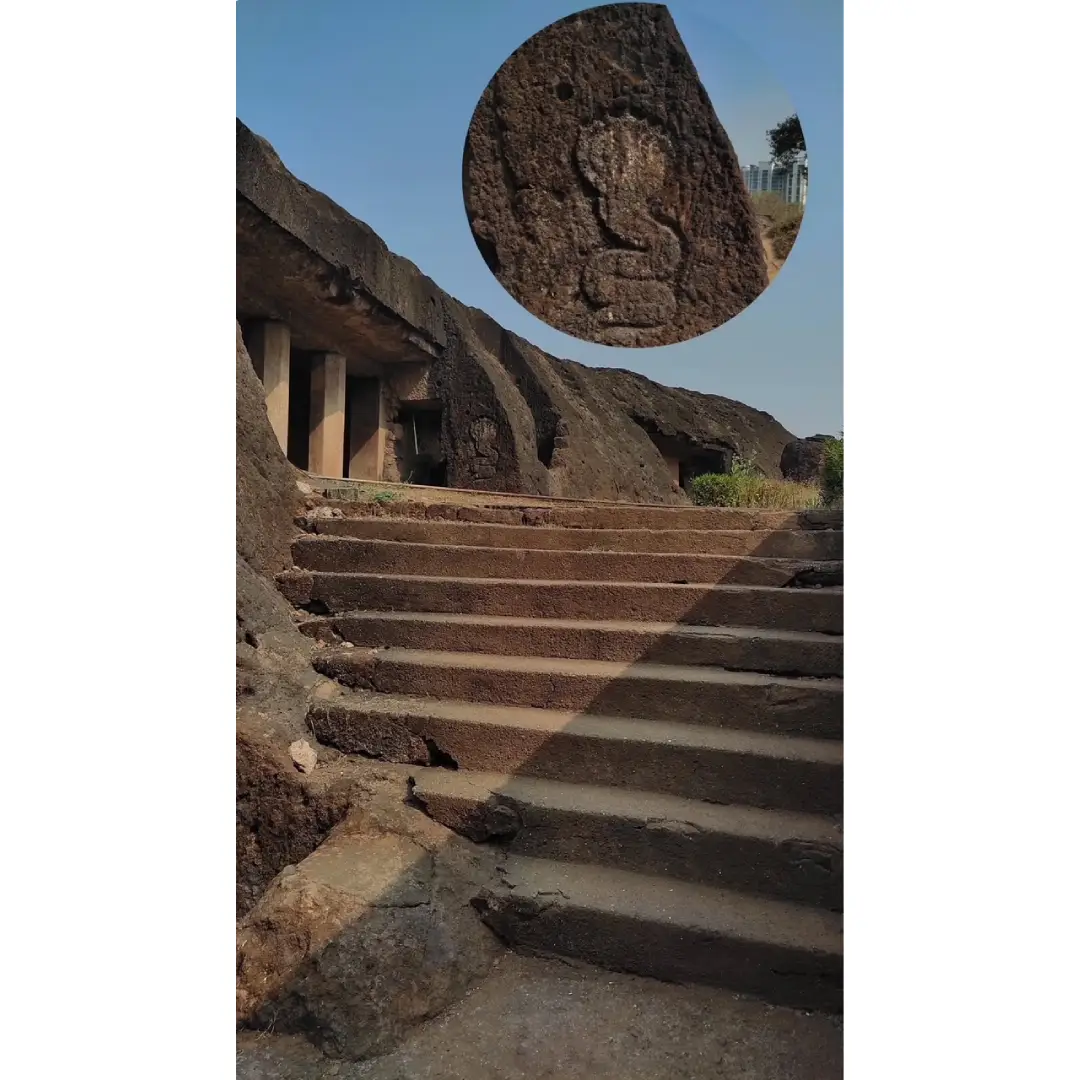
The Mahakali Caves complex consists of 19 rock-cut Buddhist caves dating from the 1st century BCE to the 6th century CE. Once part of a thriving monastic settlement connected to ancient trade routes, the caves reveal how religion, commerce, and geography shaped the cultural landscape of western India.
This curated 2.5-hour heritage walk helps participants understand how these caves functioned as spiritual, social, and economic centers in the ancient world.
Experience Highlights
-
Learn the fundamentals of rock-cut architecture
-
Understand the connection between religion and ancient trade routes
-
Explore one of Mumbai’s oldest Buddhist cave complexes
-
Develop skills to interpret archaeological spaces critically
Event Flow
9:00 AM – Assembly at Mahakali Caves entrance and introduction
9:05 AM – Walk begins
11:00 AM – Walk concludes
Experience Details
-
Duration: 2.5 hours
-
Location: Mahakali Caves, Andheri East, Mumbai
-
Availability: Any day with prior appointment (except Navaratri days)
-
Group Size: Minimum 1 | Maximum 20 participants
-
Transport: Not provided
Perfect For
-
Students of history and archaeology
-
Architecture enthusiasts
-
Mumbai residents interested in the city’s ancient past
-
Cultural travellers
-
Educators and researchers
What You Will Explore
Basics of Rock-Cut Architecture
Participants will gain insights into:
-
Techniques used to carve caves from solid basalt rock
-
Architectural elements such as chaitya-grihas (prayer halls) and viharas (monastic residences)
-
Evolution of early Buddhist architectural forms
-
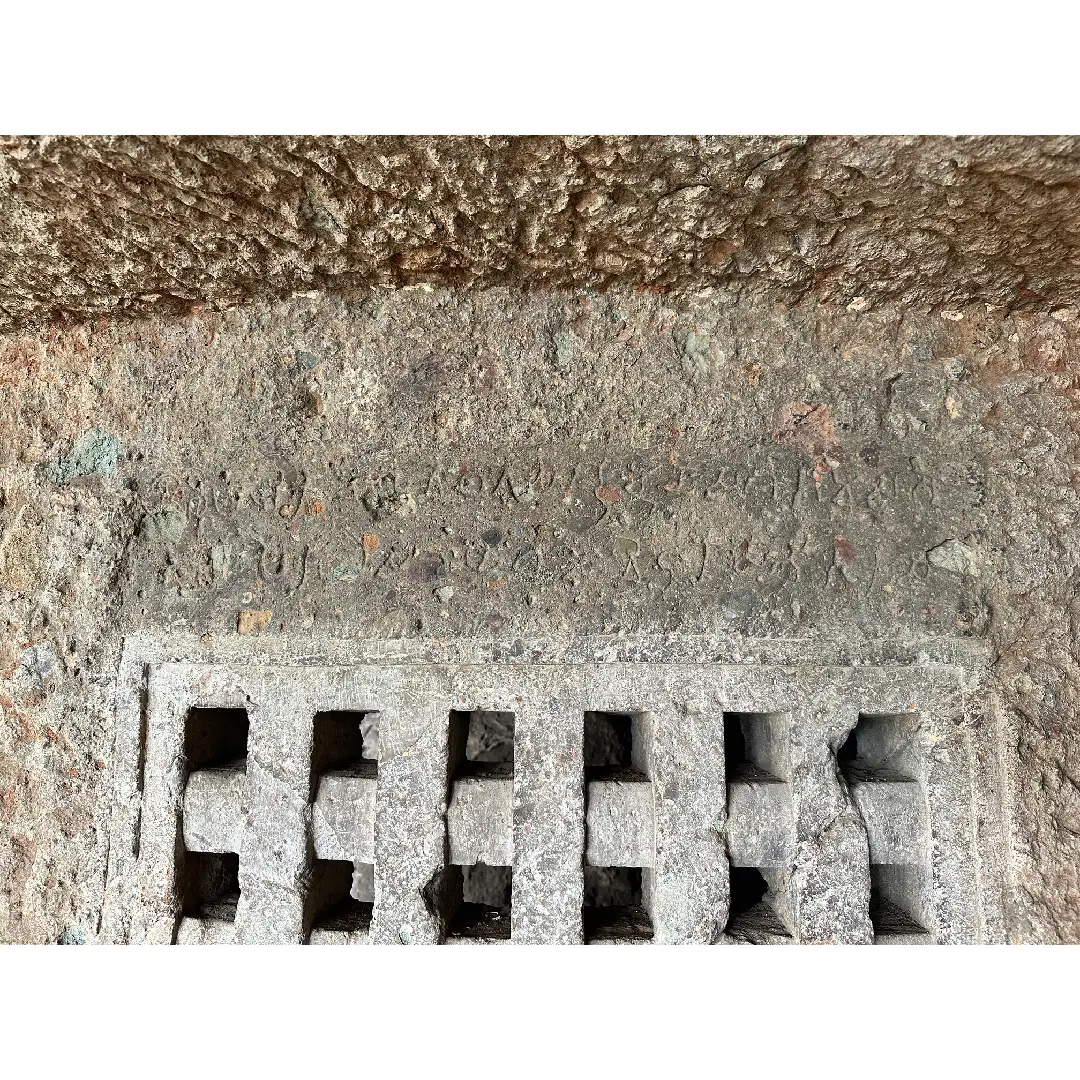
Interpreting sculptural and structural details as historical evidence
The walk demonstrates how artisans designed space, light, and symbolism within stone.
Ancient Trade Routes and Maritime Connections
Long before Mumbai emerged as a financial hub, the region formed part of an active trade network connecting the western coast of India with the Roman world, Arabian Peninsula, and inland Deccan routes.
Participants will understand:
-
Why Buddhist caves were located near trade routes
-
The relationship between merchants and monastic communities
-
How trade supported religious institutions
-
The economic landscape of ancient western India
The caves were not isolated religious monuments but part of dynamic economic systems.
Reimagining the Ancient Landscape
Today Mahakali Caves are surrounded by urban development, but historically the setting would have included:
-
Forested hills and natural rock formations
-
Seasonal water sources supporting monastic life
-
Clear visibility across trade pathways
-
Strategic placement within natural terrain
Participants will visualize how geography and sacred architecture interacted in the ancient landscape.
Connections with Other Cave Traditions
Mahakali Caves form part of a wider network of rock-cut monuments across Mumbai, including:
-
Kanheri Caves
-
Jogeshwari Caves
-
Elephanta Caves
The walk places Mahakali within this broader heritage landscape, explaining stylistic similarities, chronological overlaps, and the transition from Buddhist to later Hindu traditions.
Participants leave with a deeper understanding of Mumbai as an ancient cultural and archaeological landscape, not just a modern metropolis.
Step into Mumbai’s Buddhist past and uncover the stories carved into stone — an immersive heritage experience curated by Auréa Gifting.
| Group Size | 1, 2, 3, 4, 5, 6, 7, 8, 9, 10, 11, 12, 13, 14, 15, 16, 17, 18, 19, 20 |
|---|


Mother’s Day – Cafe Art
₹6400 per personMinimum 5 people
In the Olden Times
₹4400 per personMinimum 1 people

Don’t Just Wish. Make a Memory.
₹6,500.00City / Location: Mumbai
Partner: Samsona Getaways
Address: B-302, Sandipani Society, Ramchandra Nagar No 1, Thane, MH, 400604, IN
Contact: 7506902970
Related Experiences
Mahad–Pali Senior Pilgrimage
₹4700 per personMinimum 2 people

HOHO Cuisine Walk (With Food Tasting)
₹2150 per personMinimum 5 people

Sharing Time with a Farmer – Farm & Agro Experience
₹4000 per personMinimum 4 people

Be a Farmer Experience – Wada
₹3700 per personMinimum 5 people
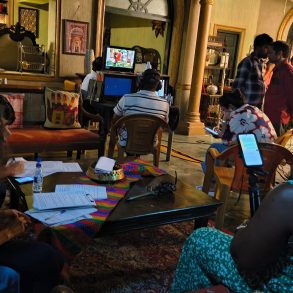
Light, Camera, You – Bollywood
From ₹2,300.00 / person
Titwala–Shahad Senior Spiritual Tour
₹4400 per personMinimum 2 people
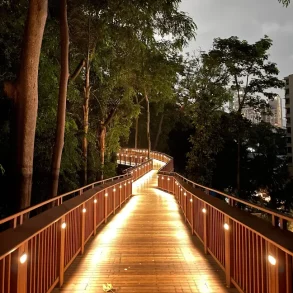
Mumbai Day Out (Walkeshwar & Malabar Hill)
₹3400 per personMinimum 4 people
HOHO Cuisine Walk
₹550 per personMinimum 2 people



Reviews
There are no reviews yet.