
- Empty cart.
- Continue Shopping


Jogeshwari Caves Walk
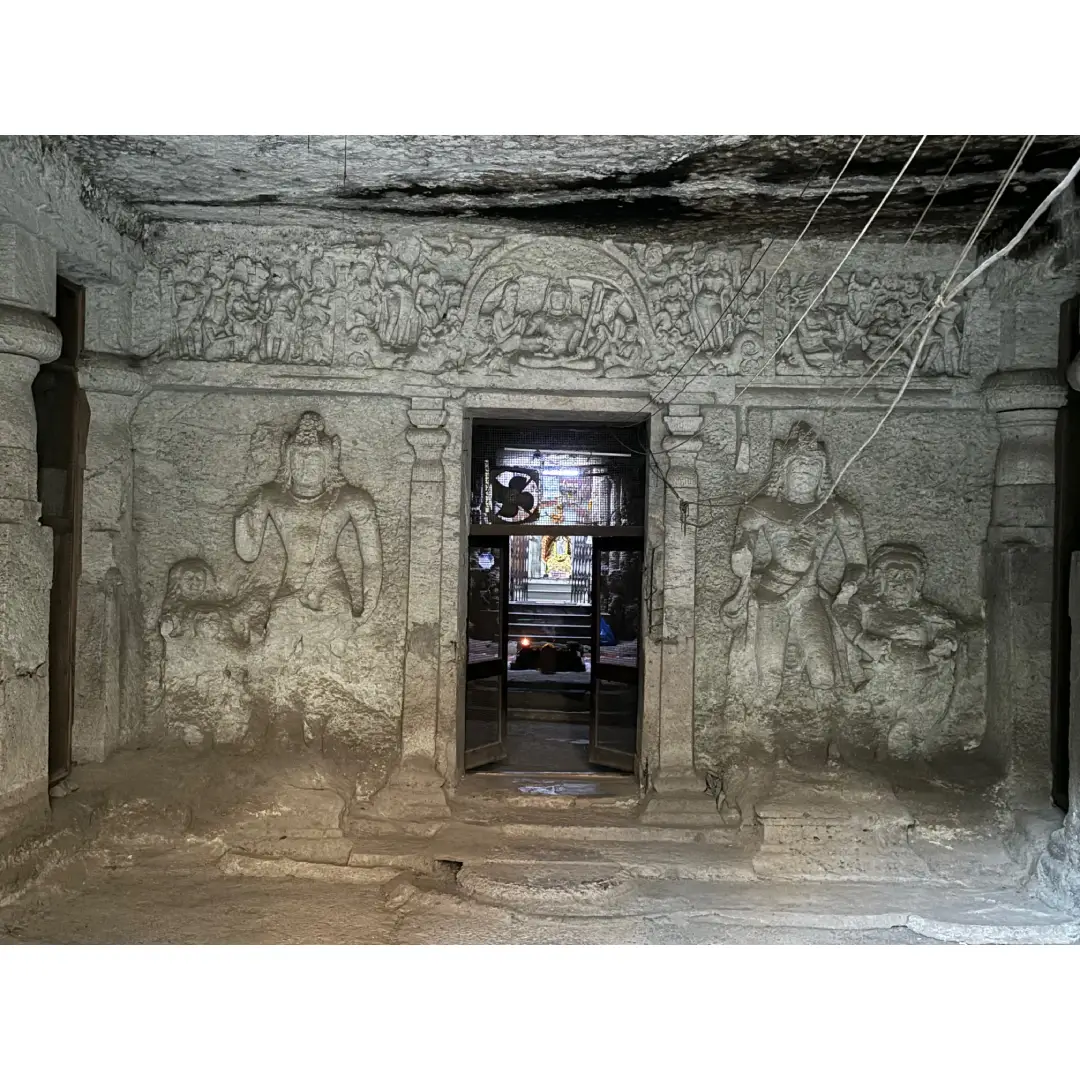
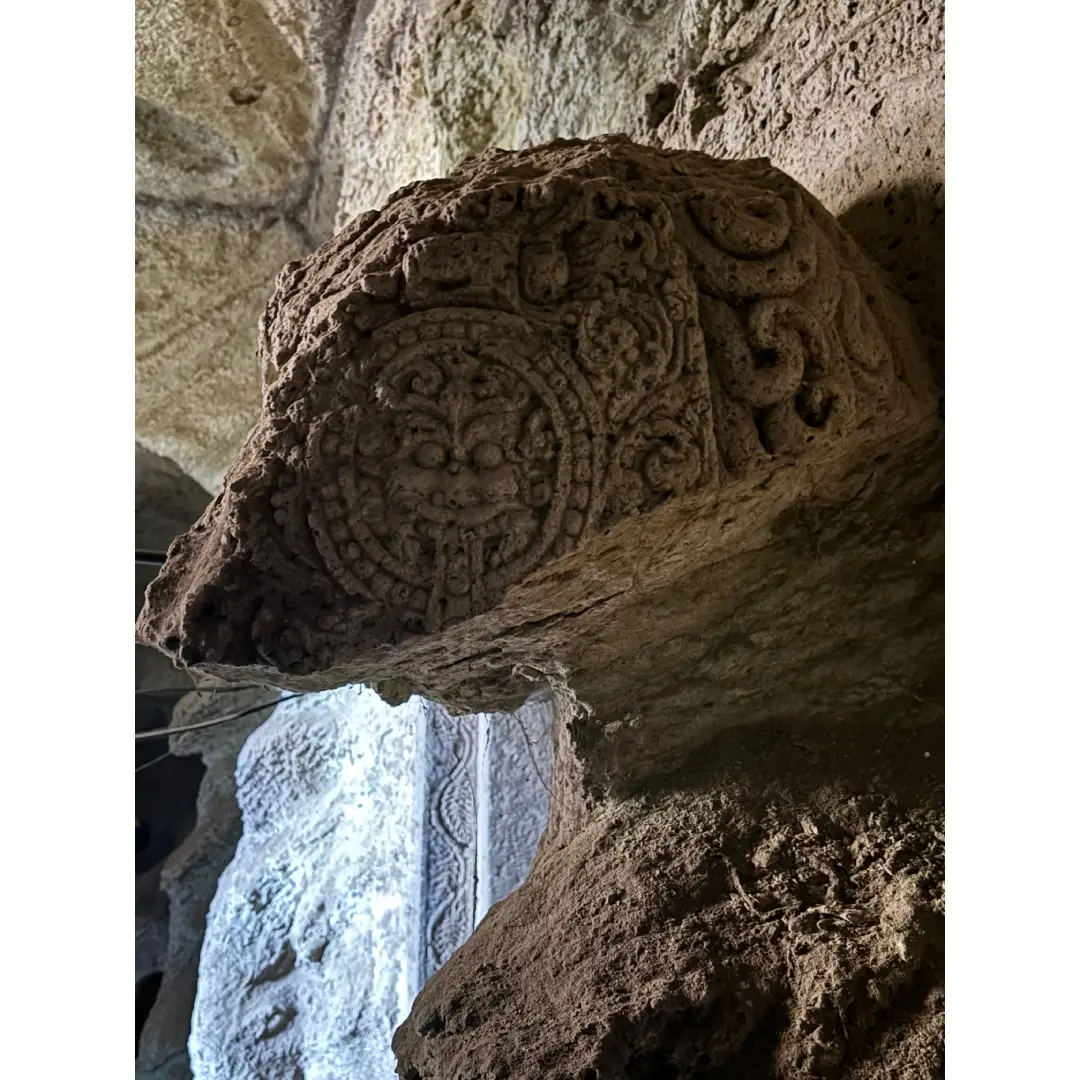
Jogeshwari Caves Walk
MumbaiMin 1 peopleValid 90 daysBook 3 days ahead
₹1000 per person
Minimum 1 people
Instant DeliveryE-voucher to inbox
90-Day ValidityRedeem anytime
100% RefundIf voucher doesn't work
A guided heritage walk through the ancient Jogeshwari Caves exploring early rock-cut architecture, Shaiva iconography, and Mumbai’s early medieval history.

The Aurea App
Buy it in the app instead
Same experiences, plus your vouchers, QR codes and bookings in one place.

Samsona Getaways terms & conditions
Terms & Conditions:
• Be mindful around heritage sites
• Be careful while crossing roads
• Do not litter
• Carry caps and sunglasses
• Washroom facilities are available at restaurants and near station area
Guaranteed Safe Checkout

Free Delivery
Flexible Use
100% Digital
Full Refund
Instant Delivery
30-Day Support
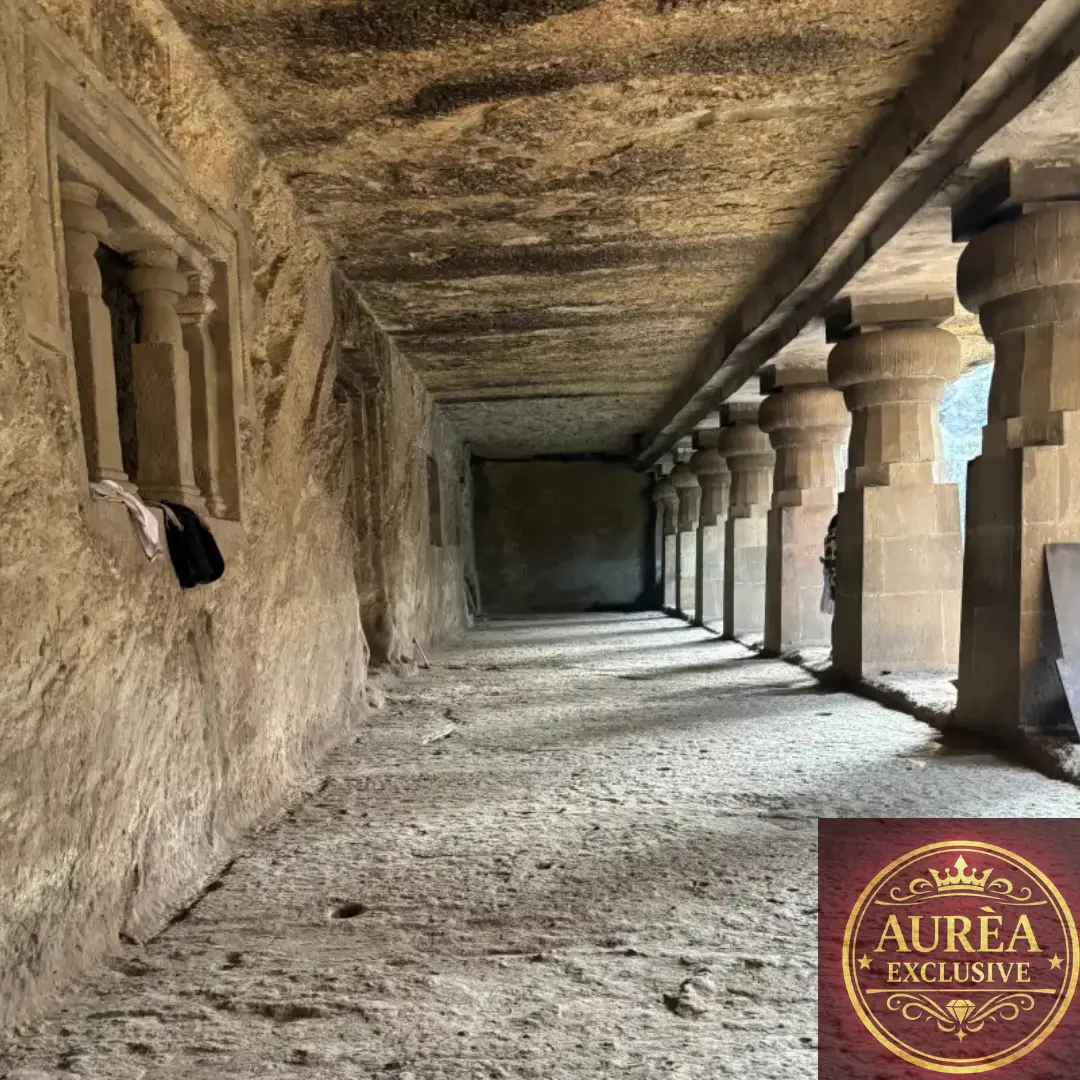
Discover one of Mumbai’s oldest and most remarkable archaeological landmarks through the Jogeshwari Caves Walk, a guided heritage experience that explores the evolution of early Hindu rock-cut architecture and Shaiva sacred traditions.
Located in the suburb of Jogeshwari, these caves date back to roughly the 6th–8th centuries CE and represent one of the earliest and grandest examples of Hindu rock-cut temple architecture in western India. During this immersive walk, participants explore the caves not just as a place of worship but as a complex archaeological landscape shaped by faith, artistic experimentation, and historical transitions across the Deccan region.
Experience Highlights
-
Understand early Hindu rock-cut temple architecture
-
Decode Shaiva iconography and symbolism
-
Explore one of Mumbai’s oldest archaeological monuments
-
Connect Jogeshwari with the wider Deccan cave tradition
Event Flow
9:00 AM – Assembly at Jogeshwari Caves entrance and introduction
9:05 AM – Walk begins
11:00 AM – Walk concludes
Experience Details
-
Duration: 2 hours
-
Location: Jogeshwari Caves, Mumbai
-
Availability: Any day with prior appointment (except Navaratri days)
-
Group Size: Minimum 1 | Maximum 20 participants
-
Transport: Not provided
Perfect For
-
Students of archaeology, history, and architecture
-
Devotees interested in temple history
-
Heritage enthusiasts and cultural travellers
-
Researchers, educators, and scholars
What You Will Explore
Evolution of Rock-Cut Architecture
Participants will gain insights into:
-
Structural elements such as mandapa (pillared hall) and garbhagriha (sanctum)
-
Pillar typologies and sculptural programs
-
Excavation techniques used in basalt rock
The walk highlights how Jogeshwari serves as a critical bridge between early cave traditions and later structural temple architecture.
Shaivism and Sacred Iconography
Jogeshwari is fundamentally a Shaiva monument. During the walk, participants will interpret:
-
Sculptural panels depicting mythological narratives
-
Symbolism embedded within spatial planning
-
Ritual movement through the cave complex
-
Historical transitions between Shaiva and Shakta traditions
Understanding iconography within its architectural setting reveals how theology was expressed through sacred design.
Reconstructing the Early Medieval Landscape
Today the caves sit within a dense urban neighborhood, but historically the setting would have been:
-
A semi-forested rocky landscape
-
Located near inland trade routes
-
Connected to regional political centres
-
Part of a wider sacred geography
Participants will be encouraged to imagine how environment, travel routes, and religion shaped this site.
Connections with Other Cave Traditions
Jogeshwari is part of a larger rock-cut heritage across Mumbai, including:
-
Mahakali Caves
-
Elephanta Caves
The walk situates Jogeshwari within this network, explaining stylistic parallels, chronological overlaps, and the broader shift from Buddhist cave traditions to Shaivism in western India.
-
Step into Mumbai’s early medieval past and uncover the stories carved into stone — an immersive heritage experience curated by Auréa Gifting.
| Group Size | 1, 2, 3, 4, 5, 6, 7, 8, 9, 10, 11, 12, 13, 14, 15, 16, 17, 18, 19, 20 |
|---|

HOHO Cuisine Walk (With Food Tasting)
₹2150 per personMinimum 5 people
Mahad–Pali Senior Pilgrimage
₹4700 per personMinimum 2 people
Mumbai Day Out (Walkeshwar & Malabar Hill)
₹3400 per personMinimum 4 people
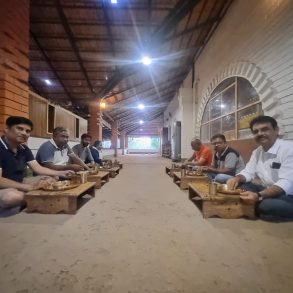
Reconnect & Rejuvenate
₹5000 per personMinimum 4 people
City / Location: Mumbai
Partner: Samsona Getaways
Address: B-302, Sandipani Society, Ramchandra Nagar No 1, Thane, MH, 400604, IN
Contact: 7506902970
Related Experiences
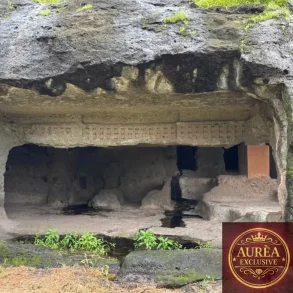
Mahakali Caves Walk
₹1000 per personMinimum 1 people

A Day Out (Mumbai & Thane Experiences)
₹3400 per personMinimum 4 people

Be a Farmer Experience – Wada
₹3700 per personMinimum 5 people
Reconnect & Rejuvenate
₹5000 per personMinimum 4 people
Mumbai Day Out (Walkeshwar & Malabar Hill)
₹3400 per personMinimum 4 people
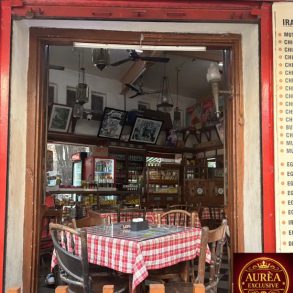
Matunga Food and Heritage Walk
₹1900 per personMinimum 8 people
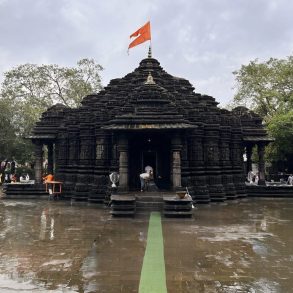
A Thousand Years of Stone – Ambarnath Shiv Mandir Heritage Walk
₹950 per personMinimum 8 people
Mahad–Pali Senior Pilgrimage
₹4700 per personMinimum 2 people



Reviews
There are no reviews yet.